
The experience of swimming is inextricably linked to the quality and chemical composition of the water. For decades, pool owners have relied on traditional chlorine dosing to ensure water safety and clarity. Nowadays, the market offers more options with added benefits: saltwater chlorination and mineral salt systems.
While all three ultimately rely on chlorine to achieve sanitation, they differ dramatically in their mechanism of action, cost implications, maintenance requirements, and the comfort they afford the bather. A detailed comparison reveals that the choice between these systems depends heavily on prioritizing initial investment, long-term maintenance convenience, and the desired swimming experience.
Traditional Chlorine Dosing
The most conventional method, **traditional chlorine dosing**, involves manually or automatically introducing stabilized chlorine—often in the form of tablets, granules, or liquid—directly into the pool water.
Its primary advantage is its low initial setup cost, as it requires minimal specialized equipment beyond a basic feeder or floater. However, the system’s drawbacks are numerous. Because chlorine levels fluctuate, the water quality can spike and dip, leading to inconsistent sanitation and the harsh side effects associated with chloramines. These byproducts are responsible for the unpleasant chemical odor, skin irritation, and red, stinging eyes that many swimmers associate with public or poorly maintained pools.
Saltwater Chlorination System
Saltwater chlorination systems represents an automatic and gentler approach to sanitation. This system operates by dissolving pool-grade sodium chloride (common salt) into the water at a low concentration. The key is the salt cell (or chlorinator), where a process called electrolysis converts the dissolved salt (NaCl) into hypochlorous acid (HClO), the primary sanitizing form of chlorine.
The main benefit is the elimination of purchasing and storing corrosive chlorine compounds. The resulting chlorine is produced consistently, resulting in fewer irritating chloramines and water that feels noticeably “softer.” The trade-off is a substantially higher initial investment for the generator and the mild corrosiveness of the salt, which requires monitoring of metal pool components
Mineral Salt Systems
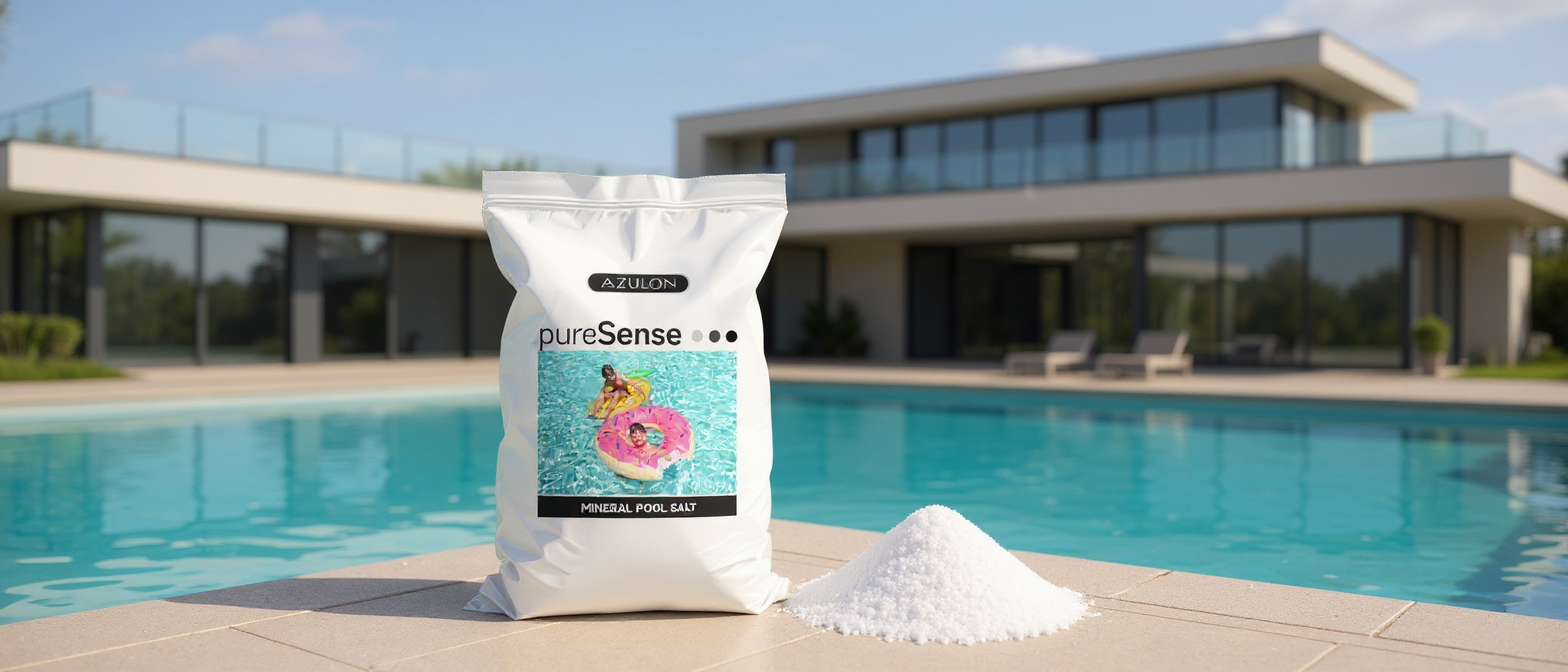
Mineral salt systems build upon saltwater chlorination by introducing therapeutic minerals, most notably magnesium chloride and potassium chloride. While they still use a chlorinator to generate residual chlorine, the key differentiator is the mineral blend.
Magnesium is known for its soothing properties, helping to moisturize the skin and aid in muscle relaxation, leaving the water feeling silky. Because the minerals assist in sanitizing, these pools often require up to 50% less manufactured chlorine. This is generally the best choice for bathers with sensitive skin or those seeking a premium, therapeutic swimming experience, despite the trade-off of higher ongoing operational expenses for the specialized mineral blend top-ups.
Comprehensive Comparison
| System | Chlorine | Pool Salt | Mineral Salt |
|---|---|---|---|
| Composition | Various chemical compounds, mainly sodium hypochlorite (liquid) and calcium hypochlorite (powder or granules). | Sodium chloride (NaCl) | Blend of magnesium chloride (MgCl2), potassium chloride (KCl) and sodium chloride (NaCl). |
| Chlorine level | High | Low Production based on demand. |
Lowest Minerals assist in pool disinfection, thus lowering chlorine production. |
| Water feel | Harsh | Soft | Silky |
| Water comfort | May cause iritation for people with sensible skin and eyes. | Gentle on skin and eyes | Highly gentle on skin and eyes |
| Water taste | Strong chemical taste | Salty | Almost no taste |
| Water smell | Strong chemical odor | Minimal chemical odor | Almost no odor |
| Health benefits | None | None | Therapeutic Magnesium is claimed to help with muscle relaxation. |
| Inital cost | Low | Medium to high | Medium to high |
| Ongoing cost | High Frequent chemical purchases. |
Low Inexpensive pool salt. |
High Expensive mineral salt blends. |
| Initial treatment time | 8 - 4 hour | 24 - 72 hours | 24 - 72 hours |
| Maintenance effort | High Daily/Weekly manual testing and dosing. |
Medium to low Automatic disinfection, requires cell maintenance. |
Low Automatic disinfection, requires less frequent cell maintenance. |
| Effect on equipment | Safe or non-corrosive on swimming pool and equipment if levels are properly maintained. | Corrosive to metalic structures. Cells must be maintained more frequently to avoid calcium build-up. | Less corrosive than common pool salt systems as less chlorine and sogium is present. |